“`html
How to Make Homemade Pasta Sauce
Creating your own homemade pasta sauce is a fulfilling and delicious endeavor. In this post, we explore an easy and delectable recipe to craft a delightful sauce that serves as a versatile addition to any pasta dish. We’ll delve into each crucial ingredient, from crushed tomatoes to spices, explaining their roles and benefits. This guide also covers common questions such as using fresh tomatoes, omitting sugar, and utilizing the sauce for other culinary creations like pizza. By the end, you’ll have a comprehensive understanding of crafting, storing, and enjoying homemade pasta sauce.
Easy Pasta Sauce
The essence of delicious homemade pasta sauce lies in its simplicity and fresh ingredients. This easy recipe captures the authentic taste of Italian cuisine, giving you a flavorful base for any pasta. With just a few ingredients, you can create a sauce that not only complements your pasta but elevates it. The joy of homemade pasta sauce is its versatility – you can use it as a base for other Italian dishes or simply enjoy it with some fresh bread.
What makes this recipe stand out is its balance of flavors and hearty texture, allowing room for creativity. Want a richer taste? Add a few more cloves of garlic. Need some sweetness? Add a pinch of sugar. The flexibility of this recipe lets you adjust it to meet your preferences or the dietary needs of your family and friends.
Ingredients
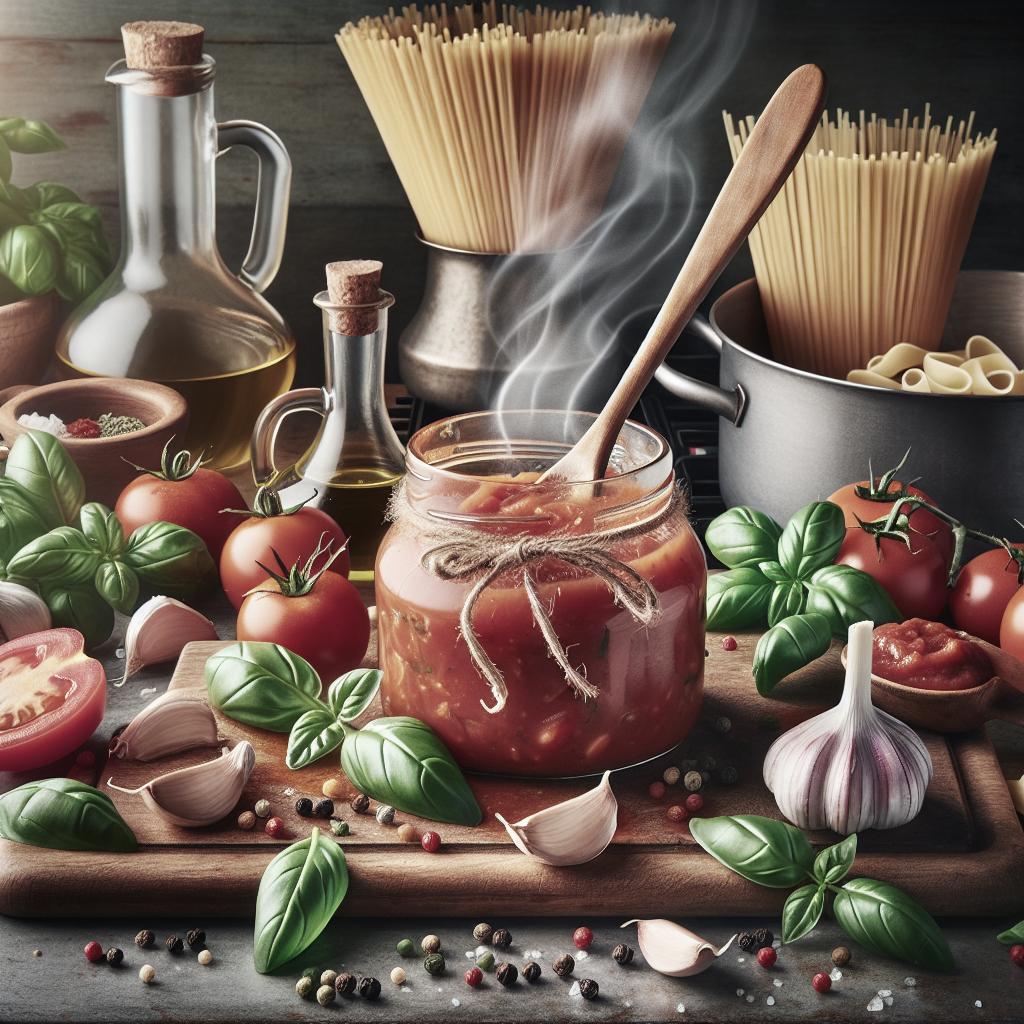
To make a classic pasta sauce, choose simple yet fresh ingredients. Your base will consist of crushed tomatoes, which bring a rich, tangy flavor. You’ll enhance this with onions and garlic for depth, while butter contributes creaminess. Dried basil, salt, and pepper round out the sauce to perfection. Optional ingredients like a pinch of sugar can be used to cut through tomato acidity if desired. With these on hand, you’re set to create a culinary masterpiece.
Quality matters, so selecting good tomatoes and fresh garlic is key. The beauty of this dish lies in its simplicity, allowing each element’s distinct flavors to shine through. Tailor ingredients to your taste and dietary preferences; you may want to swap butter for olive oil or add chili flakes for heat. These substitutions are welcome and maintain the core structure of this beloved sauce.
Crushed Tomatoes
Crushed tomatoes form the heart of your sauce, renown for their vibrant flavor and perfect consistency. Choosing a can of high-quality crushed tomatoes provides a robust base that’s neither too chunky nor too refined, allowing it to coat pasta seamlessly. Always check the label for options with few added ingredients, which can preserve the sauce’s natural tomato essence.
If you want more control over your sauce texture, you can use whole canned tomatoes and crush them by hand or with a food processor. This method gives you the flexibility to achieve your desired consistency. Remember, tomatoes are the hero of this dish, so go for brands you trust to ensure authentic flavor.
Onions and Garlic
Onions and garlic serve as the aromatic foundation of this sauce, infusing the tomatoes with layers of flavor. Finely chopped onions provide sweetness and a slight crunch, while garlic imparts pungency and depth. Together, they create a sophisticated base that allows other ingredients to sing.
Fry the onions and garlic gently in oil or butter until golden, releasing their natural sweetness and aroma. The key is not to rush this step—let them cook slowly to develop a rich, caramelized flavor that hints at the potential of your sauce. These humble ingredients, when treated with care, can transform your homemade sauce into something exceptional.
Butter
Butter is a luxurious addition to your pasta sauce, adding richness and a velvet-like texture that complements the acidity of the tomatoes. Unlike olive oil, butter gives the sauce a subtle sweetness and creaminess, merging beautifully with the garlic and onion base.
The amount of butter can be adjusted to your liking; more butter means more indulgence, while less retains a somewhat brighter, fresher profile. It’s all about finding the balance that suits your palate. If you’re dairy-free, olive oil is a suitable replacement, preserving the classic flavor profile of a traditional pasta sauce.
Dried Basil
Dried basil is indispensable in creating the classic Italian flavor profile we associate with pasta sauce. Its slightly sweet, savory notes pair effortlessly with tomatoes, bringing authenticity to your dish. A simple teaspoon can elevate the overall flavor, offering aromatic green flecks that enhance the visual appeal.
Fresh basil can also be incorporated, especially after the sauce has simmered, to release fresh, vibrant notes not achievable with dried herbs. Regardless of the choice, basil is a quintessential element that should not be overlooked when aiming to craft an authentically flavored sauce.
Salt, Pepper, and Other Good Flavors
Seasoning your sauce properly is crucial, with salt and pepper setting the stage for depth and sophistication. Salt helps to draw out the natural sweetness of the tomatoes and other ingredients, while pepper adds a gentle heat. These fundamental seasonings should be added with care, as their simplicity allows for a tailored balance.
Experiment with additional flavors like oregano, chili flakes, or even a touch of sugar. Each can add an exciting dimension to your sauce, whether you desire extra warmth, spice, or balance. Remember, your sauce should reflect your personality, so feel free to innovate with your choice of seasonings.
Instructions
Begin by gently frying chopped onions in butter until translucent, then add garlic, allowing its aroma to infuse with the onions. Introduce crushed tomatoes, stirring well to combine. Gradually add your dried basil, salt, and pepper, ensuring the flavors meld harmoniously.
Bring the mixture to a simmer and let it cook slowly, allowing all the flavors to marry beautifully. Regular stirring prevents sticking and ensures even cooking. Taste along the way, adjusting seasonings as needed. Once satisfied with the balance, your homemade pasta sauce is ready to serve.
Cook Time
The beauty of this sauce is its adaptability in cook time. Simmer for as little as 20 minutes for a fresher, brightly flavored sauce or extend it to 60 minutes for a richer, more intense depth. Remember, patience is key in achieving a balanced flavor profile—take your time, and let the sauce develop naturally.
Longer cooking intensifies flavors, breaking down tomatoes into a thick, jam-like consistency that clings beautifully to pasta. Adjust cooking time based on how you plan to use the sauce, ensuring it complements your dish perfectly.
Can I use fresh tomatoes?
Yes, fresh tomatoes can be substituted for canned, providing a brighter and fresher flavor. Peel and seed your tomatoes before chopping them finely. Expect a longer cooking time, as fresh tomatoes release more liquid that needs to evaporate to achieve the desired sauce thickness.
Using fresh tomatoes gives you complete control over the flavor, allowing you to adjust sweetness and acidity by selecting different tomato varieties. In-season tomatoes generally offer the best taste, enhancing your sauce to a gourmet level.
Can I omit the sugar?
Omitting sugar is entirely possible if you prefer a less sweet sauce. Some crushed tomatoes come sweet enough naturally, reducing the necessity for additional sugar. Instead, focus on allowing your onions to caramelize gently, adding natural sweetness without sugar.
Alternatively, consider adding a splash of balsamic vinegar, which can provide a sweet counterpoint to the tanginess of the tomatoes. Adjust sweetness according to personal taste, achieving a sauce balanced to suit your flavor preferences.
Can I use this sauce for pizza?
Indeed, this sauce is versatile enough for pizza as well. For pizza, a thicker consistency is often desired, so extend the simmering process until the sauce reaches a more paste-like texture. This ensures it sits well atop pizza bases without making them soggy.
Feel free to add or reduce herbs and spices based on the flavor profile you seek for your pizza. This sauce pairs beautifully with mozzarella cheese, pepperoni, and other classic pizza toppings, showcasing its adaptability across various Italian dishes.
How do I freeze tomato sauce?
Freezing tomato sauce is an excellent method of preserving its freshness and flavor. Allow the sauce to cool completely before dividing it into portion-sized containers or freezer bags. Lay the bags flat to freeze, saving space and making thawing easier.
Ensure the containers are airtight to avoid freezer burn, maintaining the quality of your sauce for up to six months. Thaw in the refrigerator overnight or by gently heating it in a saucepan straight from frozen, stirring occasionally until fully thawed and warmed through.
Can I can this sauce?
Canning your pasta sauce is a fantastic way to preserve it for long-term storage. Ensure that you use a pressure canner to maintain food safety. This method locks in the flavor and freshness, making it a convenient pantry staple year-round.
Once canned properly, your sauce can last up to one year, keeping you well-stocked with homemade goodness. Always follow the safety guidelines for canning to prevent spoilage and ensure a safe, delicious product.
Final Thoughts
| Section | Content |
|---|---|
| Easy Pasta Sauce | Characteristics, simplicity, and flexibility of homemade pasta sauce. |
| Ingredients | Essential ingredients for making the sauce like tomatoes, onions, butter, and herbs. |
| Instructions | Detailed process for cooking, seasoning, and simmering. |
| Cook Time | Adapting cook time to develop flavors or create desired consistency. |
| Alternative Ingredients | Using fresh tomatoes, handling sweetness, and using for other dishes. |
| Storage and Preservation | Freezing and canning methods for long-term storage. |
This guide to homemade pasta sauce delivers a simple yet flavorful recipe while answering frequently asked questions to ensure success in your culinary journey. The satisfaction of crafting a sauce that elevates your favorite Italian dishes is unparalleled, especially with the ability to adjust ingredients and cooking techniques to match your preferences and needs. Enjoy the adventure of personalizing your sauce and savor the rich flavors that homemade cooking brings to your table.
“`