How to Create Authentic Middle Eastern Mezze
The Middle Eastern mezze platter is a colorful and vibrant assortment of small dishes that together create a culinary journey full of flavors. From creamy hummus to tangy tabbouleh, the mezze introduces a delightful way to enjoy multiple tastes on one plate. This blog post will explore the essential components of a traditional mezze platter, offering guidance on ingredients and preparation steps to recreate these beloved dishes at home. We’ll also provide handy tips to enhance the experience of serving and enjoying mezze, along with suggestions for other platters you might enjoy. Whether you’re planning a casual dinner or a festive gathering, mastering the art of mezze will surely add a touch of authenticity and warmth to your table.
Mezze Platter
A mezze platter is more than just a meal; it’s a celebration of the Middle Eastern way of sharing and eating together. Served as an appetizer or even a main course, the mezze is typically enjoyed with family or friends, allowing everyone to indulge in a sampling of flavors and textures. The mezze is more than a dish; it embodies hospitality, conviviality, and the joy of communal dining.
This platter is a cornucopia of culinary traditions, showcasing the diversity and depth of Middle Eastern cuisine. The dishes vary from country to country and even from family to family, but common elements often include spreads, salads, and an assortment of bite-sized pieces. Each component is crafted to complement the others, achieving harmony on the palate and making the mezze platter an exciting culinary experience.
Mezze Platter Components
When creating a mezze platter, the variety and selection of dishes are key to crafting an authentic experience. A balanced mezze includes a selection of dips such as hummus, baba ganoush, and muhammara. These provide a creamy base to the platter, accompanied by freshly baked pita or flatbreads for dipping.
In addition to dips, salads such as tabbouleh and fattoush bring a refreshing contrast with their tangy lemon notes and crisp textures. These salads often incorporate fresh tomatoes, cucumbers, and herbs like parsley and mint, adding a vibrant touch to the platter. Protein options like falafel or grilled kebabs can also enrich the mezze, offering a heartier component that balances with the lighter dishes.
Ingredients
The key to a delicious mezze platter lies in the freshness of its ingredients. Essential components include chickpeas, tahini, garlic, and lemon for hummus; eggplants, tahini, and yogurt for baba ganoush; and red peppers, walnuts, and pomegranate molasses for muhammara. For salads, ingredients include fresh parsley, mint, tomatoes, cucumbers, and onions.
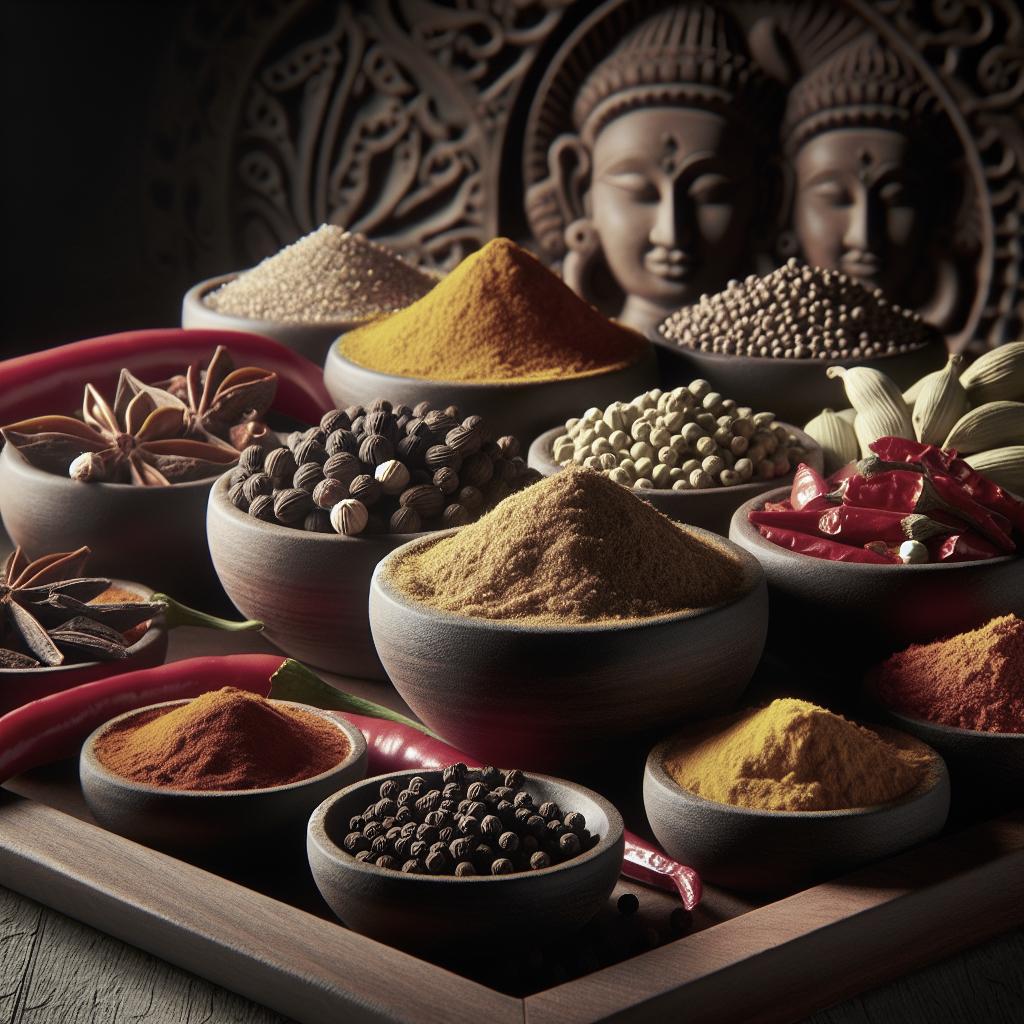
Additionally, spices such as cumin, coriander, and sumac, along with olive oil and seasoning, help bring out the authentic flavors. When selecting ingredients, prioritize seasonality and local sourcing whenever possible to capture the true essence and taste of the region.
Instructions
Begin by preparing the dips. For hummus, blend cooked chickpeas with tahini, lemon juice, garlic, and olive oil until smooth. Adjust the flavor with salt and cumin. For baba ganoush, roast eggplants until soft, then blend the flesh with tahini, yogurt, lemon, and garlic. Muhammara requires roasting red peppers and blending them with walnuts, bread crumbs, garlic, and pomegranate molasses for a sweet and smoky dip.
Next, tackle the salads. For tabbouleh, finely chop fresh parsley, mint, and vegetables before tossing them with cooked bulgur, olive oil, lemon juice, and seasoning. Mix fattoush with a selection of crisp greens, tomatoes, radishes, and toasted pita pieces, all dressed with lemon and sumac. Assemble these elements on a large platter, garnishing with olives, nuts, and fresh herbs as desired.
Mezze Platter Tips
To elevate the mezze experience, try serving your platter in a visually appealing manner. Arrange the dishes on a large decorative tray, allowing each item to shine while providing easy access for sharing. Use small bowls to contain dips and spreads, ensuring a neat presentation.
Furthermore, pairing the platter with a selection of beverages can enhance the flavors. Traditional options might include mint tea, arak, or a refreshing lemon drink. For a contemporary twist, pair with a crisp white wine or a light, hoppy beer that complements the savory notes of the mezze.
More Favorite Platters and Boards
Beyond the mezze, there are numerous other platter and board experiences to explore. Consider an antipasto platter that emphasizes Italian flavors, featuring cured meats, marinated vegetables, and various cheeses. Similarly, a charcuterie board puts a refined spin on traditional meat and cheese arrangements, incorporating pickled and fermented additions for a modern touch.
For those interested in exploring further, try creating a seafood platter with a variety of smoked fish, fresh oysters, and ceviche. Each of these platters offers diverse flavors and ingredients, making them an exciting addition to any gathering. They also provide opportunities for creativity in presentation and pairing with different drinks.
Summary of Main Points
| Section | Main Points |
|---|---|
| Mezze Platter | Celebrates Middle Eastern dining, emphasizing communal sharing and flavors. |
| Mezze Platter Components | Includes dips, salads, and possibly proteins for variety and harmony. |
| Ingredients | Focus on fresh, local produce and traditional spices for authentic taste. |
| Instructions | Step-by-step guide to preparing dips and salads for the platter. |
| Mezze Platter Tips | Enhance presentation and flavor pairing with creative serving ideas and beverages. |
| More Favorite Platters and Boards | Explore antipasto, charcuterie, and seafood platters for variety and hosting versatility. |