“`html
Pairing Spices with Chocolates: A Delectable Journey
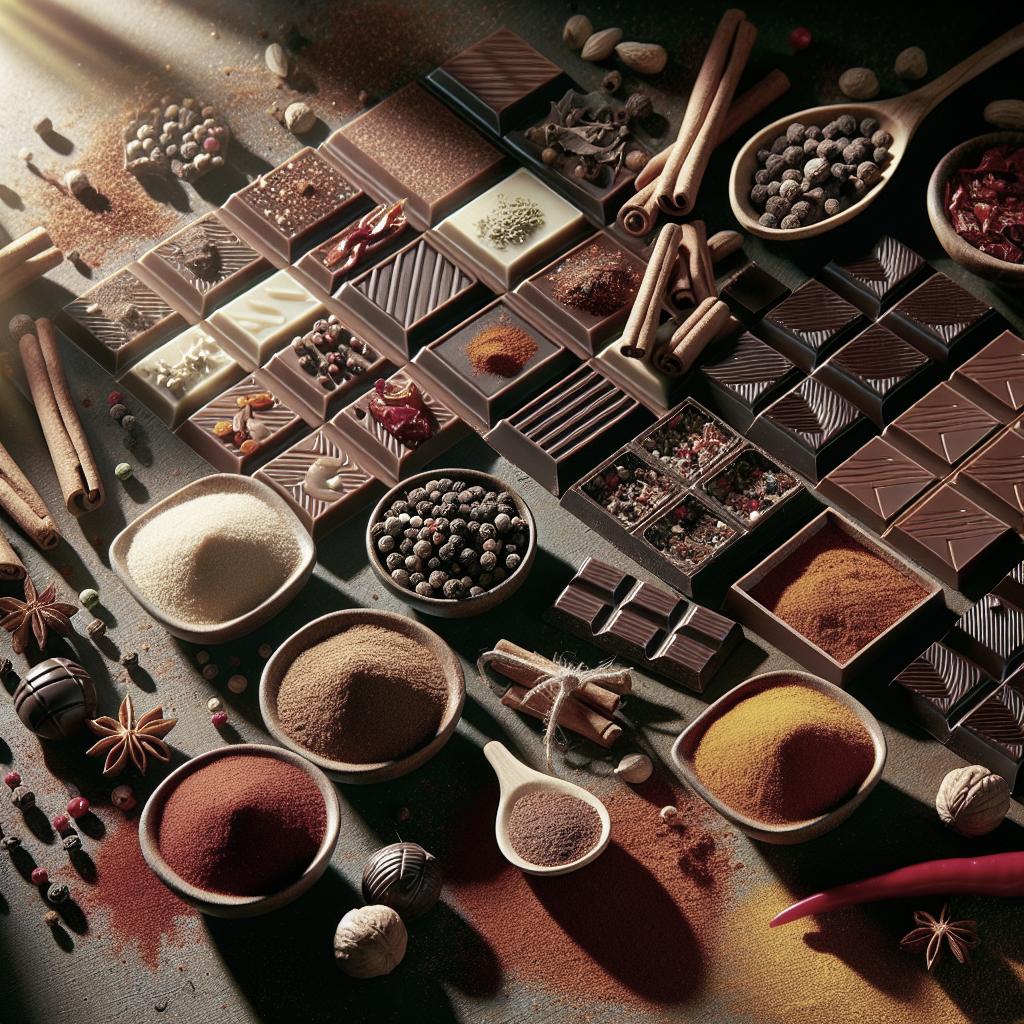
In the realm of flavor pairings, few combinations intrigue the senses as much as the pairing of spices with chocolate. This article explores the delicate dance between these ingredients, guiding you through the rich flavors of chocolate from dark to milk, to the fiery pairing of chiles. Additionally, we delve into other versatile spices and considerations when embarking on your pairing journey. Finally, we round up this savory adventure with a selection of tantalizing recipes, perfect for any chocolate aficionado looking to experiment with exciting flavor profiles.
The Flavors of Chocolate
Chocolate, inherently complex and enticing, comes in various forms each imparting its unique flavor profile. Dark chocolate, with its higher cocoa content, exudes a robust bitterness and deep earthy notes, providing a sophisticated base for pairing with assertive spices. Milk chocolate, on the other hand, offers a sweeter and creamier palette, allowing for a harmonious blend with subtler spices.
Pairing spices with chocolate begins by identifying the primary flavors present. Consider the percentage of cocoa, the conching process, and the quality of ingredients used in the chocolate. Artisan chocolates, for instance, may have layered flavors such as vanilla, berry, or nutty undertones that can be accentuated or complemented by the right spice combinations, enriching the overall tasting experience.
Furthermore, white chocolate, often understated, is characterized by its buttery and sweet profile, which makes it a pleasant canvas for even the more delicate spices. Each type of chocolate offers an expansive field for culinary exploration where spices can either highlight or contrast its intrinsic flavors.
Sussing Out Chile Pairings
The marriage of chocolate and chile peppers may seem daring initially, but this pairing dates back thousands of years to the ancient civilizations of Central America. The warmth of chiles breathes life into the depth of chocolate, invigorating the palate with a burst of flavors. Varieties like cayenne, ancho, or chipotle each bring a distinct heat level and sensory experience to the chocolate.
Ancho peppers, with their mild heat and sweet, fruity undertones, pair beautifully with both dark and milk chocolates, accentuating their complexity. Chipotles, smoky and rich, add an enticing warmth perfect for dark chocolate, resulting in a bold and smoky fusion. Cayenne pepper, hot and sharp, brings a fiery kick that interacts brilliantly with the sweetness of milk chocolate.
When experimenting with chile pairings, consider balancing the heat. The idea is to enhance the chocolate’s natural flavors without overpowering them. Start with small quantities, gradually increasing as you refine your taste preferences. The dynamic contrast is what makes these combinations unforgettable.
Other Considerations for Your Pairings
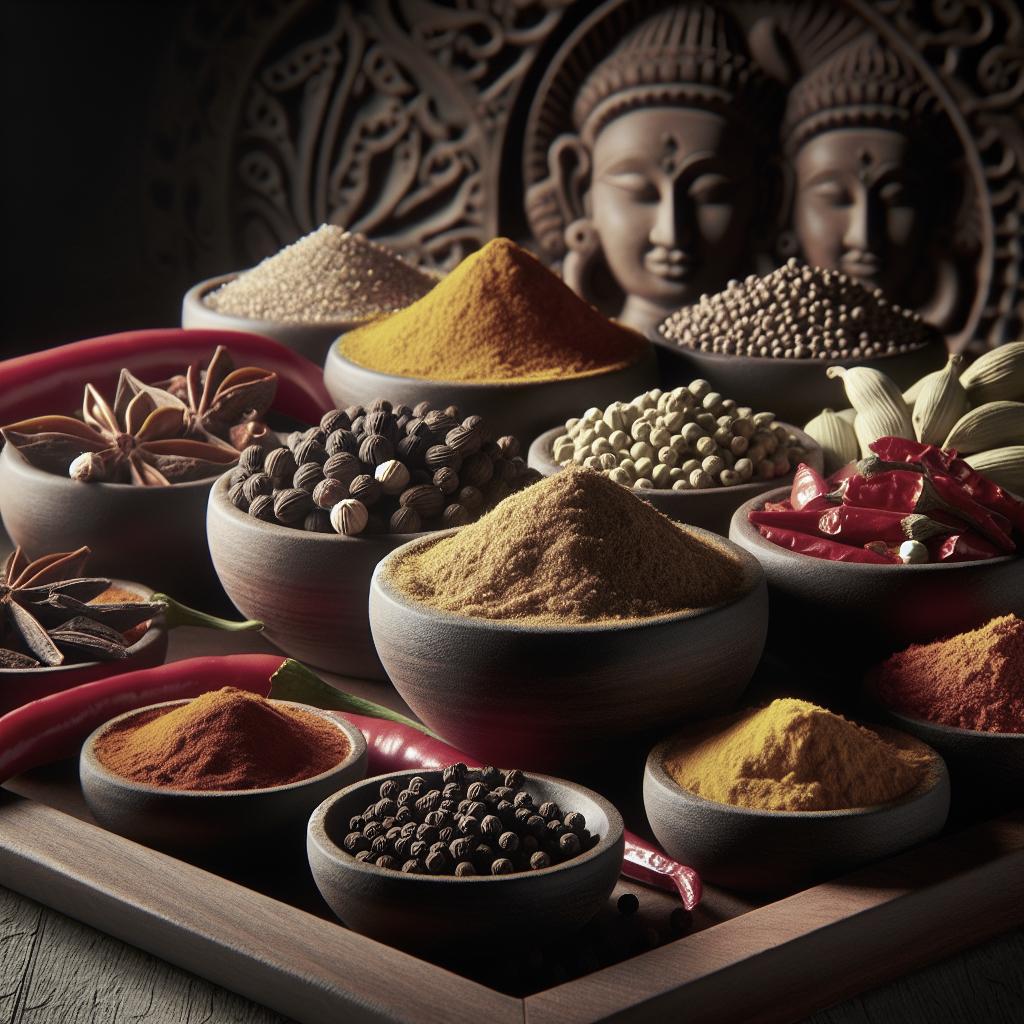
Beyond chiles, the world of spices offers an expansive variety to enhance your chocolate creations. Consider warm spices such as cinnamon and nutmeg, which provide a cozy and comforting aura when paired with chocolate. Their aromatic profiles blend seamlessly with both dark and milk chocolates, elevating the tasting journey.
For a more exotic twist, spices like cardamom or ginger can introduce a vibrant and spicy zest to chocolate, tantalizing the taste buds with an unexpected yet delightful harmony. Cardamom’s citrusy essence complements the sweetness of milk chocolate, while ginger adds a thrilling spice-kick to dark chocolate.
Moreover, the classic pairing of chocolate with mint should not be overlooked. Mint’s refreshing notes can cleanse the palate while infusing a cooling contrast to rich chocolates. As always, experimenting with quantities and combinations is key to discovering the perfect balance that appeals to your palate.
Get The Recipes
Ready to explore chocolate and spice pairings in the kitchen? Here are a few recipes to get you started. Try a Dark Chocolate Ancho Chili Truffle – rich dark chocolate with a subtle kick of sweet ancho chili. For a unique spin, make Milk Chocolate Cinnamon Bark, blending creamy milk chocolate with a hint of warm cinnamon.
If you’re feeling adventurous, whip up a White Chocolate Cardamom Torte – a delicate dessert with an aromatic cardamom undertone. Each of these recipes highlights the transformative potential of combining spices and chocolate, from the subtle to the outright bold.
Dive into these sensory experiences with an open mind and a curious palate — there’s a world of flavors waiting to delight you. As always, make adjustments that feel right for you, crafting your culinary creations with heart and creativity.
Summary of Main Points
| Section | Key Points |
|---|---|
| The Flavors of Chocolate | Understanding the profiles of different chocolates – dark, milk, and white – and their ideal spice pairings. |
| Sussing Out Chile Pairings | Exploring the historical and modern marriage of chiles with chocolate and tips to achieve balanced pairings. |
| Other Considerations for Your Pairings | Diving into alternative spices like cinnamon, cardamom, and mint to craft unique and flavorful chocolate pairings. |
| Get The Recipes | Try recipes that combine spices and chocolates in innovative ways like truffles or chocolate barks. |
“`