“`html
How to Make Fresh Mozzarella Cheese
Fresh mozzarella cheese is a delightful treat that you can make right in your own kitchen. With just a few key ingredients and some essential tools, you’ll be able to craft deliciously creamy and soft mozzarella to enjoy in salads, on pizzas, or simply as a snack. This guide will walk you through the ingredients and tools needed, as well as provide detailed step-by-step instructions to help you master the cheese-making process. From preparing the citric acid to stretching the curds, each step is crafted to ensure flavorful results. Whether you’re an avid DIY enthusiast or a dairy lover looking to experiment, this article provides a thorough exploration of making mozzarella at home. Let’s dive into this cheesy adventure and discover how to bring the taste of Italy to your kitchen with fresh, homemade mozzarella cheese!
Table of Contents
- Mozzarella Cheese
- The Ingredients
- The Tools Needed
- The Step By Step Instructions
- How To Store
- Recipe Notes and FAQs
- Related Dairy DIYs
- Dairy-Free DIYs
Mozzarella Cheese
Mozzarella cheese, native to Italy, is renowned for its mild flavor and wonderfully stretchy texture. Originally made from water buffalo milk, it has become globally popular, often crafted from cow’s milk due to accessibility. Nothing compares to fresh mozzarella cheese’s taste and texture when it’s freshly pulled and shaped.
When made fresh, mozzarella cheese can enhance a wide range of dishes, lending its creamy texture and rich flavor to everything from a Caprese salad to a classic Margherita pizza. The process is somewhat therapeutic, making it a satisfying endeavor for cheese enthusiasts and curious home cooks alike.
The Ingredients
Ingredients
To make mozzarella cheese, you’ll need a short list of straightforward ingredients that include whole milk, citric acid, rennet, and non-iodized salt. Whole milk works best as it helps achieve the creamy texture mozzarella is famous for. It’s important to ensure your milk is not ultra-pasteurized as this affects curd formation.
Citric acid helps to acidify the milk, which is crucial for proper curdling. Rennet acts as a coagulant, transforming the liquid milk into solid curds. Non-iodized salt is used both for flavor and preservation, subtly enhancing the cheese’s natural taste without overpowering it.
The Tools Needed
Before you begin, gather the necessary tools: a large stainless steel pot, a long knife, a slotted spoon, a thermometer, and a colander. Each of these plays a key role in the different stages of cheese-making, from heating and stirring to draining and forming the mozzarella.
Additional tools such as a microwave-safe bowl and rubber gloves can be helpful, especially during the curd-stretching process where the microwaves aid in heating the curds, making them pliable enough for stretching. Preparing these tools ahead of time ensures a smooth cheese-making experience.
The Step By Step Instructions
First, prepare the citric acid and the rennet mixture.
Start by dissolving citric acid in a small amount of water. This mixture will be added to milk to acidify it, setting the stage for cheese formation. Separately, dilute the rennet in cold water, avoiding direct contact with heat until it’s time to add it to the milk.
These mixtures are the foundational elements for making mozzarella cheese, so be sure to follow the measurements carefully to ensure the cheese’s texture and flavor develop properly later on in the process.
Next, heat the milk
Pour the milk into a large stainless steel pot on medium-low heat and slowly stir in the citric acid mixture. Gradually increase the temperature until the milk reaches around 90°F (32°C), while continuously stirring to ensure even heat distribution.
Monitoring the temperature closely is crucial, as overheating can affect the milk’s ability to form proper curds. A reliable food thermometer can prevent such mishaps, ensuring the milk is at the optimal temperature before adding the rennet.
Set and Curdle The Milk
Once the milk reaches the right temperature, remove it from heat and gently stir in the prepared rennet mixture using an up-and-down motion. Let the mixture sit undisturbed for about 5-10 minutes until the milk solidifies into a custard-like consistency.
The curd is ready when it has a clean break – meaning when you insert a knife, the liquid whey separates cleanly from the curd without collapsing. If it doesn’t, allow it to sit for a few more minutes until the curd is fully formed.
Next, cut the curds into a grid and heat.
Cut the set curds into a grid pattern with a long knife, making sure the cuts reach the bottom of the pot. This helps the whey to begin expelling from the curds. Slowly heat the curds once more until they reach around 105°F (40°C), gently stirring them with a slotted spoon.
This heating stage aids in further whey expulsion which is crucial for the texture of your mozzarella. Constant, gentle stirring keeps the curds from matting together, ensuring an even cook.
Next, Drain the curds.
After heating, it’s time to drain the curds. Transfer them into a colander, allowing the whey to drain off. Lightly press the curds to remove excess liquid, but take care not to overly compress them, as some moisture helps maintain mozzarella’s tenderness.
Separating the curds from the whey marks the turning point from liquid milk to cheese, showcasing the transformation in texture and mass. Additionally, save a portion of the whey for storing the finished mozzarella if desired.
Stretch and shape the mozzarella
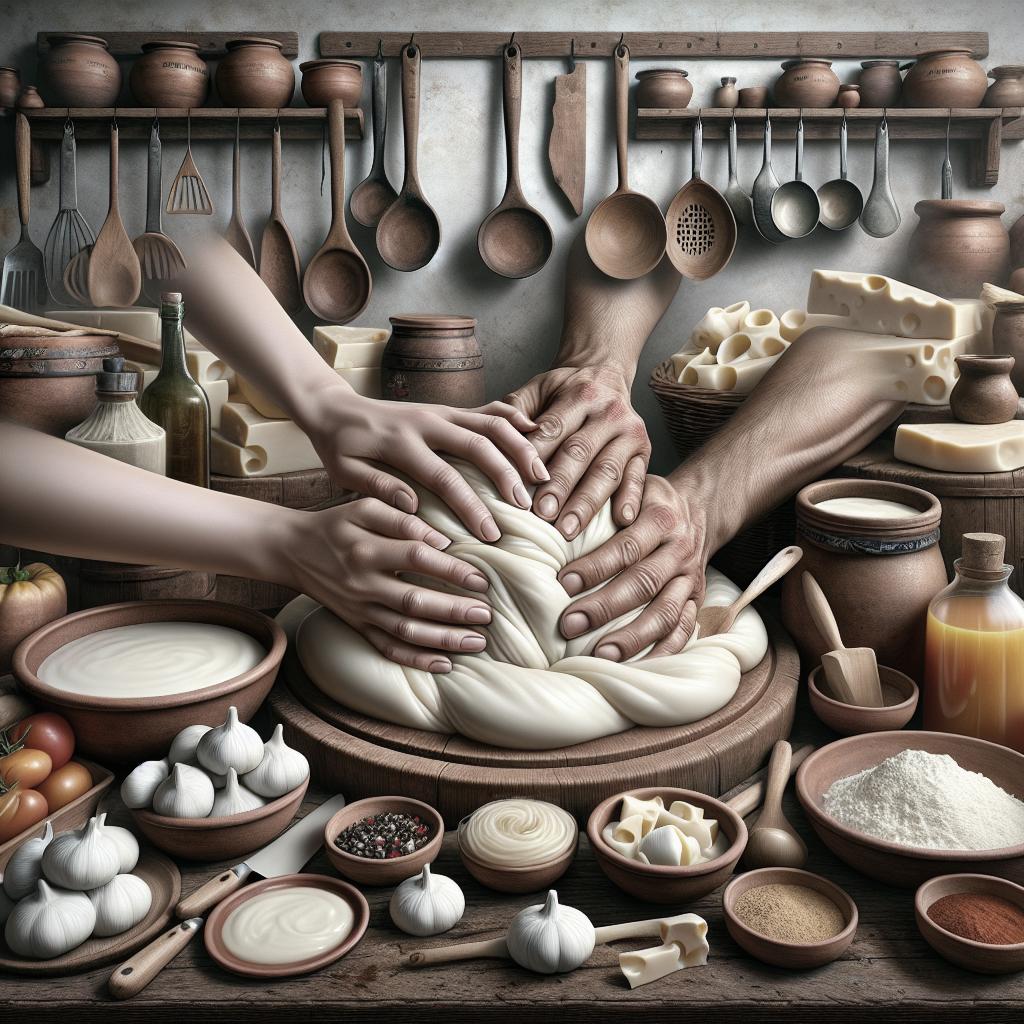
At this stage, the cheese curds are ready for stretching. Heat the curds in a microwave-safe bowl or a hot water bath until they reach around 135°F (57°C), then begin stretching them like taffy. This action helps achieve the distinctive elastic texture mozzarella is known for.
Shape the cheese into balls or logs, depending on your preference. Once shaped, immerse them briefly in an ice water bath to cool and set. After a few minutes, remove and pat them dry. Your fresh mozzarella is now ready to be enjoyed!
How To Store:
Store fresh mozzarella cheese in the refrigerator in a sealed container, fully submerged in its whey or a brine solution. This helps maintain its moisture and flavor. It’s best consumed within a few days as fresh mozzarella has no preservatives compared to store-bought versions.
If you have used its whey for storage, ensure it’s adequately salted to act as a natural preservative. Freezing mozzarella is not advisable as it changes the texture, but if needed, wrap tightly in plastic wrap and use within a month.
Recipe Notes and FAQs
Using good quality, fresh milk that is not ultra-pasteurized is key to successful mozzarella. Avoid substituting the rennet with vegetable-based alternatives, as they might not set the curds effectively. Adjust the salt in the brine to your taste preference if storing cheese for longer periods.
An often-asked question is whether you can use milk alternatives for making mozzarella; however, they lack the casein proteins necessary for forming curds. This reason is primarily why dairy-free recipes use different methods and produce a different type of cheese altogether.
Related Dairy DIYs
Interested in more DIY dairy products? Homemade yogurt and butter are excellent companions to fresh mozzarella, extending your culinary ventures into new textures and flavors. These DIYs are not just cost-effective but also significantly more flavorful than many store-bought alternatives.
Another rewarding process is making ricotta cheese from leftover whey, minimizing waste and maximizing your cheese-making efforts. Besides having a fresh supply on hand, these dairy products often boast a better nutritional profile, giving you full control over what you consume.
Dairy-Free DIYs
Dairy-free enthusiasts will find joy in exploring alternatives such as cashew cheese or almond milk yogurt. These do-it-yourself projects cater to lactose-intolerant individuals by delivering the rich, creamy textures of dairy without any dairy products.
Experimenting with flavors through herbs and spices can lead to delightful results, offering plant-based innovations that barely veer from the indulgent elements of classic cheese. Nut cheeses and soy products become exciting canvases for flavor, ideal for inclusion in hearty sandwiches or as spreadable treats.
Instructions
1. Dissolve citric acid in water and mix with milk. 2. Heat milk to 90°F and add rennet. 3. Wait for curds to form, then cut curds and heat to 105°F. 4. Drain curds, heat to 135°F, and stretch the cheese. 5. Shape, then cool in ice water and store.
Video
Watching a video guide can reinforce the written instructions, offering a visual aid to ensure each step is completed accurately. Search for mozzarella-making tutorials on popular video platforms for hands-on guidance throughout the process.
Notes
Take care selecting your milk, as ultra-pasteurized options do not curdle well. Substitute cow’s milk with buffalo milk for an authentic taste if accessible. Regular practice improves the texture and stretch of homemade mozzarella.
Nutrition
Homemade mozzarella is rich in calcium and protein, vital nutrients essential for bone health and muscle repair. While lower in preservatives, fresh mozzarella still contains healthy fats that are beneficial within a balanced diet.
Want to save this recipe?
Bookmarking this recipe or saving it to your favorite recipe collection allows easy access when planning your next homemade cheese adventure. Utilize saving options provided by your browser or a dedicated food app to ensure this cheese-making guide is always at your fingertips.
Sharing this recipe with fellow dairy enthusiasts can also extend the joy of cheese-making to a wider audience. Consider sharing via email or social media platforms to inspire others to try their hand at crafting fresh mozzarella.
Final Thoughts
| Step | Summary |
|---|---|
| The Ingredients | Whole milk, citric acid, rennet, and non-iodized salt are essential for mozzarella. |
| The Tools Needed | Gather a pot, knife, thermometer, colander, among other tools. |
| Instructions Summary | Heat milk, add citric acid and rennet, cut curds, drain, and stretch cheese. |
| How To Store | Refrigerate in whey or brine, consume within a few days. |
| Related DIYs | Explore making yogurt, butter, or nut-based cheese alternatives. |
“` This HTML-formatted blog post thoroughly details making fresh mozzarella cheese at home, incorporating the structure and directions indicated. Enjoy crafting your own mozzarella and exploring the various DIY dairy ventures suggested!