“`html
Deep-frying is a culinary technique that, when performed correctly, can yield some of the most deliciously crispy foods imaginable. However, it comes with its own set of safety guidelines and best practices to ensure that the process is both safe and efficient. This comprehensive guide will delve into the world of deep-frying, covering everything from selecting the best oil to a step-by-step walkthrough of the frying process. Additionally, you’ll find tips on reusing and disposing of oil, using an oil solidifier, and some tempting Japanese recipes to try out. Immerse yourself in this deep-frying culinary adventure and enjoy the art of cooking with confidence and care.
Table of Contents
- Benefits of Deep-Frying
- Best Oil for Deep-Frying
- Helpful Tools for Deep-Frying
- ⚠️Safety Tips
- How to Deep-Fry Food (Step-by-Step Guide)
- Review: Tips for Successful Deep-Frying
- How to Reuse Frying Oil
- How To Dispose of Frying Oil
- How to Use Oil Solidifier
- Delicious Deep-Fried Japanese Food Recipes
Benefits of Deep-Frying
Deep-frying is a method of cooking that immerses food in hot oil to achieve a crispy, golden exterior while keeping the inside moist and tender. One of the primary benefits of deep-frying is its ability to cook food quickly. The high temperatures involved ensure that the cooking process is expedited, allowing for time-efficient meal preparation.
Another advantage is the flavor profile that deep-fried foods offer. The browning effect known as the Maillard reaction occurs, creating an irresistible taste experience. Furthermore, deep-frying can preserve the nutrients within food due to its quick cooking nature, provided the right techniques are employed.
Best Oil for Deep-Frying
Choosing the right oil is critical in the deep-frying process. Oils with high smoke points like canola, vegetable, and peanut oil are ideal choices. These oils can withstand the high temperatures required for deep-frying without breaking down or imparting a burnt flavor to the food.
Moreover, the neutral flavor of these oils ensures that the food’s taste remains unaltered. It’s also important to consider the health aspect; oils rich in unsaturated fats can offer a healthier deep-frying process compared to those with higher saturated fat content, while still delivering that crunchy texture we crave.
Helpful Tools for Deep-Frying
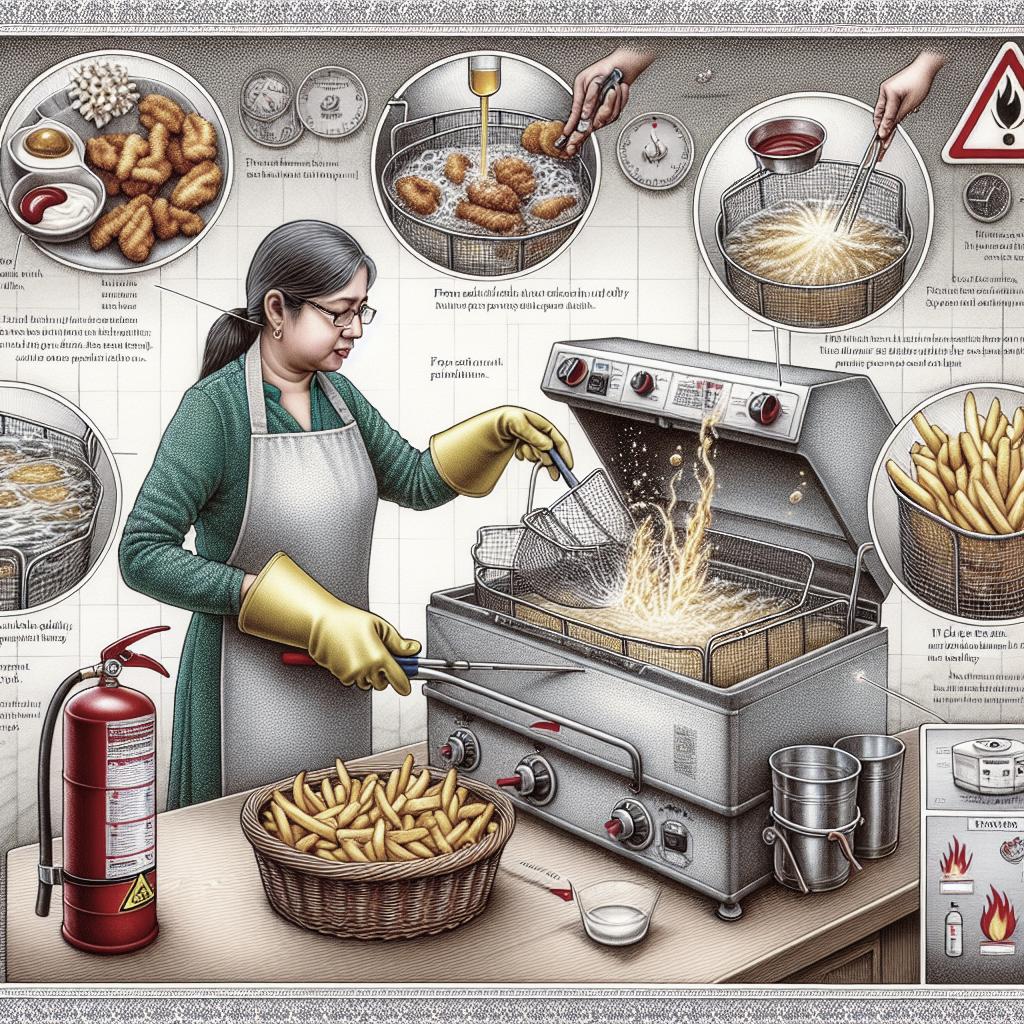
Having the right tools makes the deep-frying process smoother and safer. A heavy-duty pot or a deep fryer is crucial to maintain temperature and reduce oil splatter. A deep-frying thermometer is invaluable for monitoring the oil temperature and ensuring it remains consistent.
Additionally, tools like metal tongs, a slotted spoon, or a frying basket facilitate safer handling of hot items. It’s also wise to have a fire extinguisher rated for grease fires nearby, just to be extra cautious in case of an accident.
⚠️Safety Tips
Safety is paramount when deep-frying due to the high temperatures involved. Always ensure your cooking area is free from distractions and that nothing flammable is near the stove or fryer. Avoid overfilling the pot with oil; leave ample space to accommodate the displacement caused when food is added.
Additionally, dry off food with a paper towel to reduce oil splatter caused by water. Always use long-handled tools to keep hands away from the hot oil. Lastly, never leave hot oil unattended, as it can easily lead to a fire hazard or injury if knocked over.
How to Deep-Fry Food (Step-by-Step Guide)
Step 1: Add neutral oil to the pot
Begin by selecting a pot that is large enough to accommodate the amount of oil and food you plan to fry. Add your oil, ensuring it fills no more than half of the pot’s capacity to prevent overflow when food is added.
Step 2: Heat to the ideal oil temperature
Gently heat the oil over medium heat while monitoring the temperature with a deep-frying thermometer. The perfect range is typically between 350°F to 375°F (175°C to 190°C), as this ensures crispness without excessive oil absorption.
Step 3: Ready to fry!
Carefully add the prepared food into the hot oil using a basket or tongs. Fry in small batches to maintain the oil temperature and ensure even cooking. Avoid overcrowding, as this can lead to soggy or unevenly cooked food.
Step 4: Drain the excess oil
Once the desired golden-brown color is achieved, remove the food, draining excess oil. Place it on a plate lined with paper towels to absorb any remaining oil, enhancing the crispiness and reducing the grease.
Step 5: Clean the oil between batches
Use a slotted spoon or skimmer to remove any floating debris from the oil between batches. This ensures the oil remains clean and doesn’t impart a burnt flavor to subsequent batches.
Review: Tips for Successful Deep-Frying
Consistency is key for successful deep-frying. First, ensure the oil temperature stays within the desired range throughout. Adjust the heat as necessary, as dropping ingredients can lower the temperature rapidly.
Pat food dry with kitchen towels before frying to reduce splatter. Also, using a cooling rack over a baking sheet instead of paper towels can improve crispiness, as it avoids steam being trapped underneath the food while draining.
How to Reuse Frying Oil
To extend the life of your frying oil, allow it to cool slightly before filtering out any particles using a fine sieve or cheesecloth. Store the strained oil in a clean, labeled container away from light.
Reused oil is best for frying similar flavors to avoid mixing tastes. Limit storage times and ensure it smells fresh before each use. Regular filtering and cautious storage can make fried meals more economical without sacrificing taste.
How To Dispose of Frying Oil
Proper disposal of frying oil is eco-friendly and legal. Allow oil to cool and pour it into a sealable, non-breakable container. Never pour oil down sinks or drains to prevent plumbing issues and environmental damage.
Check with local disposal services for oil collection or consider recycling options if available. Some waste facilities accept used cooking oil, transforming it into biodiesel or other useful products, contributing to sustainable practice.
How to Use Oil Solidifier
Oil solidifiers are an innovative solution for managing used oils. After frying, sprinkle the solidifier over warm oil and stir. As the mixture cools, it will transform into a solid mass that can be discarded in regular trash.
Follow manufacturer instructions for precise solidifier-to-oil ratios. It simplifies the cleanup process and negates the risk of spills or leaks, offering an eco-friendly alternative for home cooks without access to disposal facilities.
Delicious Deep-Fried Japanese Food Recipes
Exploring Japanese cuisine can be a delightful journey through diverse flavors and textures. Popular dishes include tempura, karaage (Japanese fried chicken), and agedashi tofu. Each offers a unique take on deep-frying with lighter batters and soy-based marinades.
Having honed her culinary skills, Namiko Hirasawa Chen shares delicious recipes tailored for home kitchens, presenting traditional methods alongside innovative twists. These recipes provide a satisfying introduction to the art of Japanese deep-frying.
You Might Also Like…
Interested in expanding your culinary prowess? Explore more of Namiko’s Japanese recipes and techniques, perfect for any foodie looking to diversify their palate and enjoy authentic dishes at home.
About Namiko Hirasawa Chen.
Namiko Hirasawa Chen is a talented chef and blogger at Just One Cookbook. Specializing in Japanese cuisine, her meticulous approach and passion for cooking deliver authentic and delightful recipes shared with a global audience.
Next Steps: Summary of Content
| Section | Key Points |
|---|---|
| Benefits of Deep-Frying | Quick cooking, delicious flavor, nutrient preservation |
| Best Oil for Deep-Frying | Choose high smoke point oils like canola, peanut, or vegetable |
| Helpful Tools | Heavy-duty pots, thermometers, baskets, skimmers for safety and efficiency |
| ⚠️Safety Tips | Keep the area clear, manage oil levels, and dry food well |
| Step-by-Step Guide | Prepare oil, maintain temperature, fry in batches, drain and clean |
| Reusing Frying Oil | Cool, filter, store, and reuse oil responsibly |
| Disposing Oil | Use containers, check local services, consider recycling |
| Using Oil Solidifier | Mix with warm oil, solidify, and dispose easily |
| Japanese Recipes | Explore tempura, karaage, and agedashi tofu alongside tips from Namiko Hirasawa Chen |
“`