“`html
How to Prepare Homemade Sausages
Making homemade sausages can be both a rewarding and delicious endeavor, perfect for anyone looking to explore culinary arts or enhance their cooking repertoire. This comprehensive guide covers everything you need to know about crafting sausages from scratch. Starting with the essential elements and types of meat, followed by necessary equipment, cooling techniques, and methodologies, and finishing with ways to customize your sausages and recipes to enjoy them. Whether you’re a novice or seasoned chef, discover how to create rustic links that will impress family, friends, and, most importantly, your taste buds.
Elements of Good Sausage
A great sausage consists of a few key elements: a flavorful meat blend showcasing balanced fat content, well-distributed seasonings, and a robust casing. Fat provides juiciness and flavor, ideally making up around 25-30% of the sausage mixture. Without proper fat content, sausages can turn out dry and crumbly.
Additional components include spices and seasonings. This is where creativity meets tradition; while traditional sausages stick to classic seasonings, homemade versions offer the chance to tailor the flavor. Understanding the role of flavors can elevate your culinary experience, making each sausage unique.
What Meat to Use in Homemade Sausage
While pork remains a popular choice due to its balance of fat and flavor, homemade sausages can be crafted from a variety of meats, such as chicken, turkey, lamb, or beef. For those inclined towards gamey flavors, venison or duck can offer compelling alternatives.
Choosing the right cut is crucial. For example, pork shoulder or butt is lauded for its fat content and texture, blending well with other ingredients. Similarly, beef chuck or chicken thighs offer the perfect balance necessary for succulent sausage links. Mixing meats, such as adding beef to pork, can enhance both flavor and texture.
Equipment for Homemade Sausage
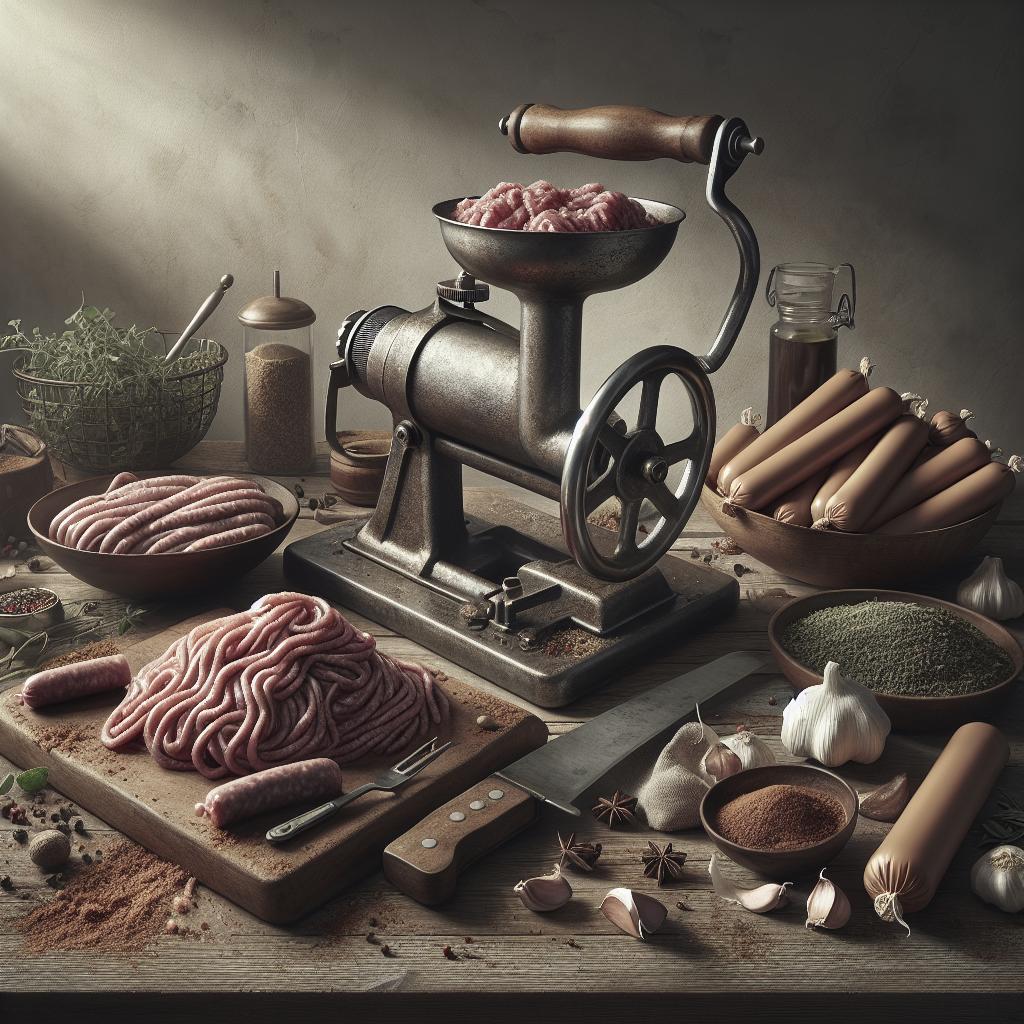
When making sausage at home, having the appropriate equipment can markedly improve the end product. Essential tools include a meat grinder or mixer meant for small batches, which provide control over texture. Stand mixers or dedicated grinders help with efficiency.
Another critical tool is the sausage stuffer. Whether manual or an attachment for a stand mixer, a stuffer assists in filling casings smoothly and evenly. Opt for a setup that feels comfortable and suitable for your countertop space. Precision matters, and these tools ensure each sausage is crafted to perfection.
Before You Start: Get Your Ingredients and Equipment Cold
Ingredients
Ensuring that ingredients remain cold is one of the pivotal steps in sausage-making. Cold temperatures help solidify fat, improving texture and capturing moisture within sausages. Start by chilling meats before grinding, storing them in the freezer for a brief period until firm but not frozen.
Special Equipment
Just as crucial is chill-proofing your equipment. Parts like grinder blades, mixing bowls, and surfaces benefit from cold temperatures, preventing premature melting of fat. Place items in the fridge or freezer—especially in warmer environments—facilitating a seamless preparation process.
Method
Once meats and equipment are ready, the process should seamlessly transition through grinding and mixing. Focus on mixing evenly without overheating the product, employing ice-cold water or pre-spiced stock to maintain temperature throughout each stage.
Customizing Spices and Seasonings for Homemade Sausage
Bespoke seasoning is the essence of homemade sausage, allowing personal flair through a world of spices. Traditional European sausages lean on herbs like sage, rosemary, thyme, and fennel, while bolder options like smoked paprika and cumin deliver complex, international flavors.
Seasonings are not just limited to dry variants. Consider incorporating liquids like apple juice in breakfast sausages, red wine in Italian styles, or miso for Asian-inspired creations. Mix-and-match techniques can introduce innovative profiles that elevate the home cooking experience.
Recipes to Showcase Your Homemade Sausage
With the backdrop of make-from-scratch sausages set, developing recipes that highlight taste and creativity can make the fruits of your labor truly shine. One notable suggestion involves an omelet, where herb-infused pork sausage anchors a dish adorned with fresh vegetables and sharp cheddar.
Grilled sausage sandwiches stand tall as a simple yet satisfying option, condoning pairings like caramelized onions, asiago cheese, and fresh arugula. Or bring rustic comfort home with a classic sausage and lentil stew. These selections stand only as ideas—personal touches are encouraged to make unforgettable dining experiences.
Final thoughts
| Section | Summary |
|---|---|
| Elements of Good Sausage | Importance of fat content and seasoning to achieve flavorful sausages. |
| What Meat to Use | How different meats like pork, beef, or game can affect sausage taste and texture. |
| Equipment Required | Key equipment like grinders and stuffers essential for sausage crafting. |
| Keeping Ingredients and Equipment Cold | Cold temperatures crucial for texture and moisture retention in sausages. |
| Customizing Spices | Opportunity to innovate with spices for personalized sausage flavors. |
| Recipes | Ideas for dishes that feature homemade sausage as a star ingredient. |
“`