“`html
How to Make the Perfect Cup of Coffee
There’s nothing quite like the comforting aroma of a perfectly brewed cup of coffee to kickstart your day or provide that much-needed midday pick-me-up. Crafting that ideal cup, however, is both a science and an art. In this guide, we’ll explore how to craft exceptional coffee right in your own home, whether you’re using a pour-over method, a French press, or a drip coffee maker. Additionally, we’ll delve into some key tips that ensure your coffee is consistently top-notch. From choosing the best beans to understanding the significance of water quality and equipment maintenance, this article covers everything you need to elevate your coffee game.
How to Make Coffee
How to Make Pour-Over Coffee
Pour-over coffee has become a beloved brewing method for coffee enthusiasts due to its ability to extract rich and nuanced flavors from the coffee grounds. To make pour-over coffee, start by heating water to about 200°F, just below boiling. The next step is to place a filter in your pour-over dripper, rinse it with hot water to remove any paper flavor, and preheat the dripper. Add freshly ground coffee to the filter; a standard ratio is about two tablespoons of coffee for every six ounces of water.
Begin pouring a small amount of water over the coffee grounds, just enough to saturate them, and let it bloom for 30 seconds. This process releases carbon dioxide and enhances the coffee’s flavor. Continue pouring the water slowly in a circular motion until you’ve used the full amount. The entire process should take about three to four minutes. Your patience will be rewarded with a clean, bright cup of coffee that perfectly highlights the beans’ characteristics.
How to Use a French Press
The French press is acclaimed for its ability to produce a full-bodied and robust cup of coffee. Begin by boiling water and allowing it to cool slightly. Add coarsely ground coffee to the press — typically, a ratio of one ounce (about two tablespoons) of coffee for every four ounces of water works well. Pour hot water over the grounds, ensuring all are saturated, then stir gently.
Place the plunger on the French press but don’t press it down yet. Allow the coffee to steep for about four minutes. This longer brewing time extracts more oils and flavors from the coffee, resulting in a rich taste. Once the time has elapsed, slowly push the plunger down to separate the grounds from the liquid. Serve immediately for the best taste. For those who prefer an even stronger flavor, adjust the coffee-to-water ratio accordingly.
How to Make Drip Coffee
Making drip coffee is perhaps one of the most convenient and fastest ways to brew a satisfying cup for yourself or a group. Start by filling the coffee maker’s water reservoir with filtered water; using clean water is crucial for great flavor. Use a paper or reusable coffee filter, placing it in the designated basket.
Next, measure your coffee grounds — typically, one to two tablespoons of coffee per six ounces of water is recommended. Add the coffee to the filter, ensuring it is spread evenly. Turn on your coffee machine and let it work its magic. Drip coffee makers often have a heating plate that keeps the coffee warm, but it can also lead to a burnt flavor if left too long. To keep the flavors at their peak, it’s best to consume drip coffee soon after it’s brewed.
Tips for Making the Best Coffee
Rule 1: Buy Fresh Beans
Your path to a stellar cup starts with buying fresh beans. Coffee tastes best when enjoyed soon after it’s roasted, as the natural flavors diminish over time. When buying beans, look for a roasting date on the package instead of a use-by date to ensure freshness.
Consider purchasing beans from local roasters who often roast in small batches and provide information on the bean’s origin and roast profile. This way, you’ll know exactly what you’re getting and can support local businesses in the process.
Rule 2: Keep Coffee Beans Fresh
Once you bring those fresh beans home, you should store them properly to maintain their flavor. Air, moisture, heat, and light are the enemies of coffee. A good storage solution is an opaque, airtight container kept at room temperature.
Avoid storing coffee in the refrigerator or freezer, both of which can introduce moisture. The fridge can also cause coffee to absorb food odors, which can ruin its taste. A cool, dark pantry is ideal.
Rule 3: Choose Good Coffee If It’s Within Your Budget
The quality of your coffee is largely determined by the quality of the beans you purchase. High-quality coffee beans might be more expensive, but they deliver unmatched richness and complexity in taste.
Explore different brands and origins to find what suits your palate. For instance, coffee from Ethiopia often has a fruity profile, while Brazilian beans might offer a more nutty and chocolaty taste. Buying premium coffee might seem costly, but it enhances your coffee experience significantly.
Rule 4: Grind Your Own
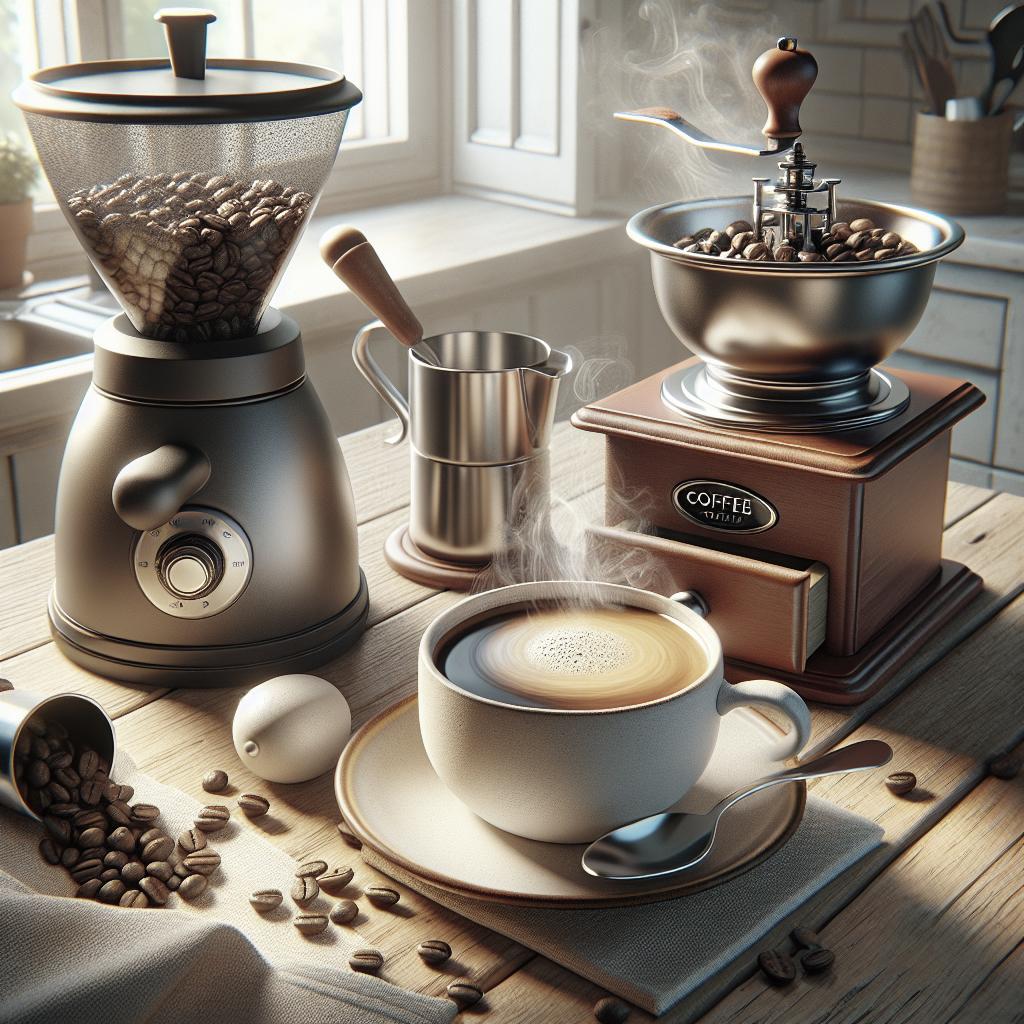
Grinding your coffee just before brewing ensures that you capture the full flavor and aroma of the beans. Pre-ground coffee loses its quality swiftly as it is exposed to more surface area, which can diminish its flavor.
Invest in a quality burr grinder, which provides a more consistent grind size compared to blade grinders. The grind size should match your brewing method; coarse for French press, medium-coarse for pour-over, and fine for espresso-type brews.
Rule 5: Use Good Water
Coffee is mostly water, which makes water quality vastly important to brewing a good cup. Always use fresh, filtered water with a balanced mineral content to enhance the flavors of the coffee.
Tap water often contains minerals that could affect the taste, while distilled water lacks the mineral content necessary to bring out the flavors. Optimal water temperature for brewing is between 195°F and 205°F.
Rule 6: Avoid Cheap Filters
The right coffee filter can make a significant difference in the taste and clarity of your coffee. Avoid generic paper filters that may contain chemicals, imparting unwanted flavors.
Opt for high-quality oxygen-bleached or dioxin-free paper filters, or consider a reusable metal filter for an eco-friendly option that allows more natural oils through, resulting in a fuller-bodied cup.
Rule 7: Don’t Skimp on the Coffee
Using too little coffee results in a weak, bitter brew, which is why it’s important to get your measurements right. The general guideline is one to two tablespoons per six ounces of water, but this can be adjusted to taste.
Invest in a kitchen scale to weigh your coffee grounds for precision and consistency each time you brew, ensuring that your coffee isn’t too weak or too overpowering.
Rule 8: Beware the Heat
The heat at which you brew and serve your coffee significantly impacts its flavor. Overheating coffee can destroy delicate flavors and aromas, leaving it tasting flat or burnt.
If you’re using a drip coffee maker, be cautious about leaving the coffee on the warming plate for too long. Transfer coffee to a thermal carafe to maintain its temperature without degrading its quality.
Rule 9: Keep Your Equipment Clean
Regular cleaning of your coffee-making equipment is essential for maintaining consistent taste and avoiding the build-up of oils and residues that can cause off-flavors. After each use, rinse removable parts with hot water and dry thoroughly.
For more thorough cleanings, use a solution of equal parts vinegar and water in your coffee maker’s water chamber, running a full brew cycle, followed by several cycles of clear water to remove any vinegary taste.
Final Thoughts
| Section | Key Points |
|---|---|
| How to Make Pour-Over Coffee | Use hot water just off the boil; allow coffee to bloom; pour in a circular motion. |
| How to Use a French Press | Use coarse grind; allow coffee to steep; press plunger slowly. |
| How to Make Drip Coffee | Fill water reservoir with filtered water; use correct coffee-to-water ratio; avoid overheating. |
| Buy Fresh Beans | Look for roasting dates; support local roasters. |
| Keep Coffee Beans Fresh | Store in airtight containers; avoid refrigeration. |
| Choose Good Coffee | Explore different origins; invest in quality beans. |
| Grind Your Own | Grind just before brewing; use burr grinder; match grind size to method. |
| Use Good Water | Use filtered water; ensure appropriate temperature. |
| Avoid Cheap Filters | Use quality paper or metal filters. |
| Don’t Skimp on the Coffee | Use correct measurements; consider using a scale. |
| Beware the Heat | Avoid overheating; use thermal carafe. |
| Keep Your Equipment Clean | Regular cleaning; use vinegar solution for deep cleaning. |
“`